Blog
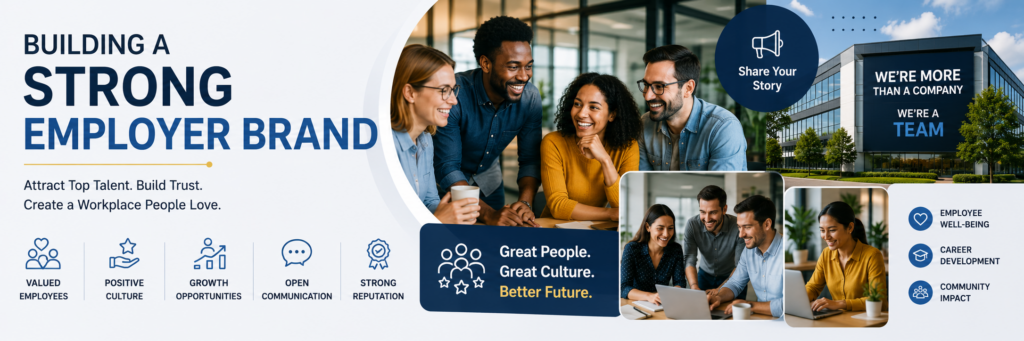
In today’s competitive job market, talented professionals have more career choices than ever before. A strong employer brand helps your company stand out by showcasing what makes it a great place to work. It’s not just about attracting candidates—it’s about building trust, improving employee retention,
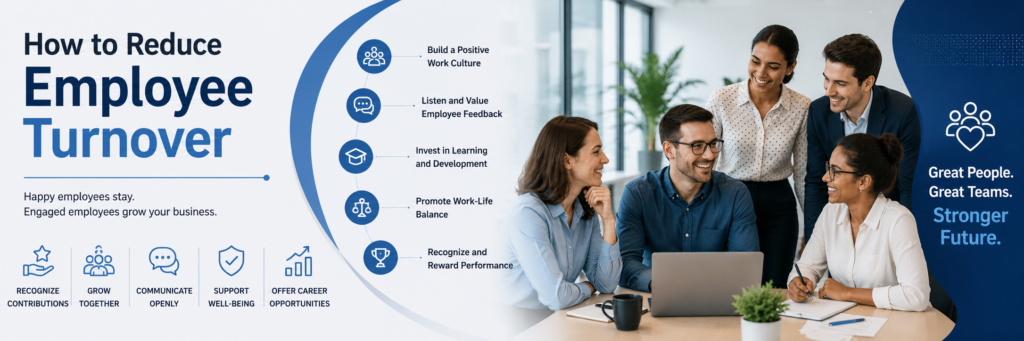
Employee turnover is one of the most significant challenges businesses face. Replacing employees requires time, money, and resources, making retention just as important as recruitment. Organizations that focus on employee satisfaction often experience higher productivity, stronger teamwork, and lower hiring costs. The first step toward
An interview is more than a conversation—it is an opportunity to determine whether a candidate has the skills, experience, and attitude needed to succeed within your organization. A structured interview process helps employers make fair, consistent, and informed hiring decisions. Preparation is the foundation of
Hiring the right employee is one of the most important decisions any organization can make. However, even experienced recruiters and hiring managers can make mistakes that lead to poor hiring decisions, increased turnover, and unnecessary recruitment costs. Understanding these common pitfalls can help businesses improve
Finding the right candidate starts with writing the right job description. A clear, engaging, and well-structured job posting does more than list responsibilities—it helps qualified professionals understand the role, your company, and why they should apply. A strong job description attracts the right talent while
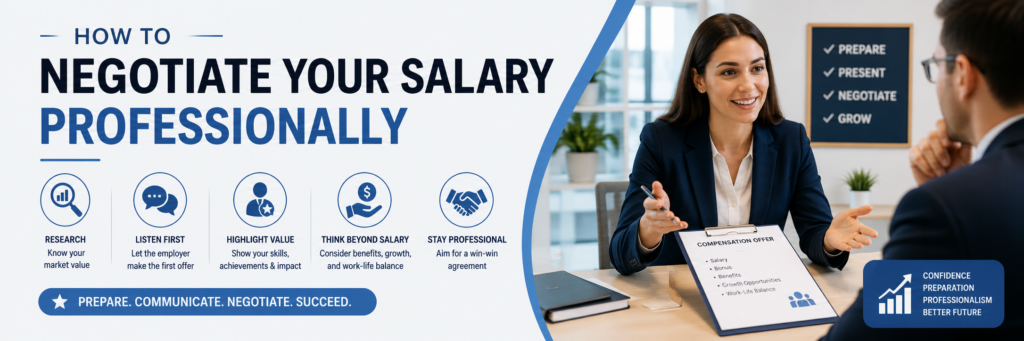
Salary negotiation can feel uncomfortable, but it is a normal part of the hiring process. Approaching the conversation professionally can help you secure fair compensation while maintaining a positive relationship with your future employer. Before discussing salary, research the typical pay range for your role,
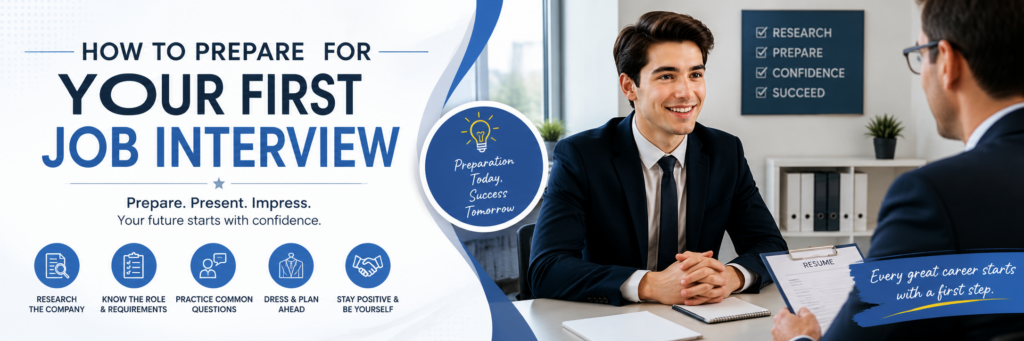
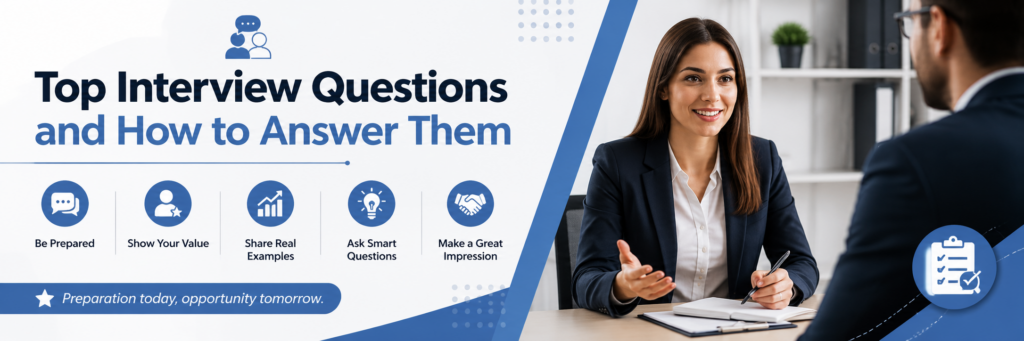
Job interviews allow employers to evaluate your skills, experience, and personality while giving you the opportunity to demonstrate why you are the right candidate. Preparing for common interview questions can significantly improve your confidence and performance. One of the most frequently asked questions is, “Tell
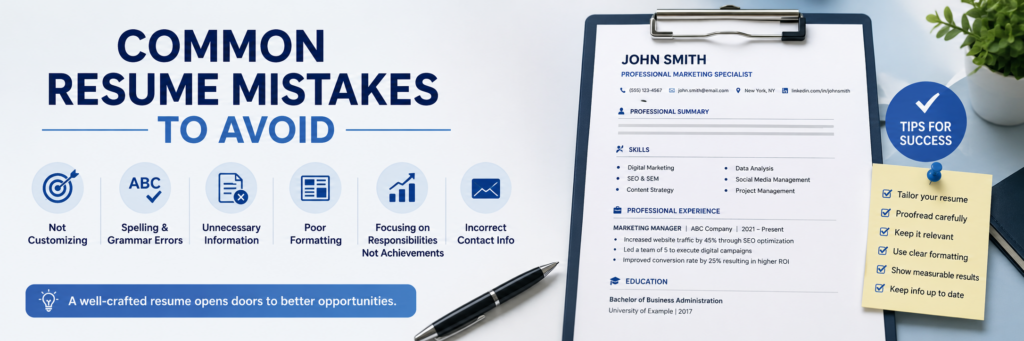
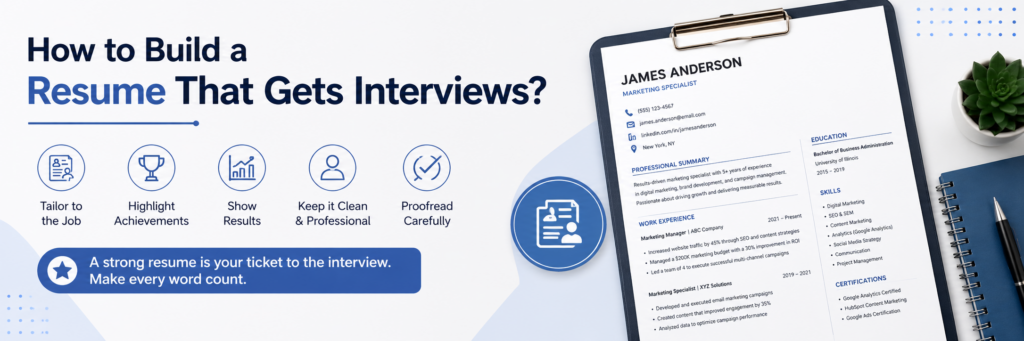
Your resume is often the first impression you make on a potential employer. A well-written resume can open doors to exciting career opportunities, while a poorly structured one may prevent you from reaching the interview stage. The goal is to present your qualifications clearly, professionally,
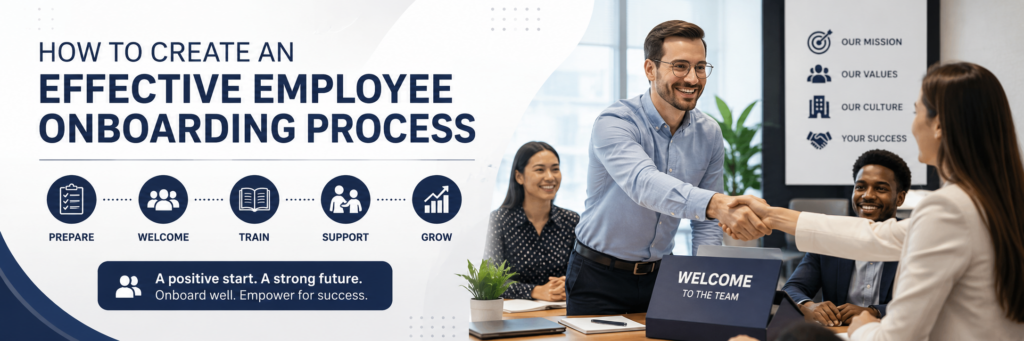
Hiring the right employee is only the beginning of the recruitment journey. An effective onboarding process helps new hires integrate into the organization, understand their responsibilities, and become productive more quickly. A positive first experience also improves employee engagement and long-term retention. Preparation should begin
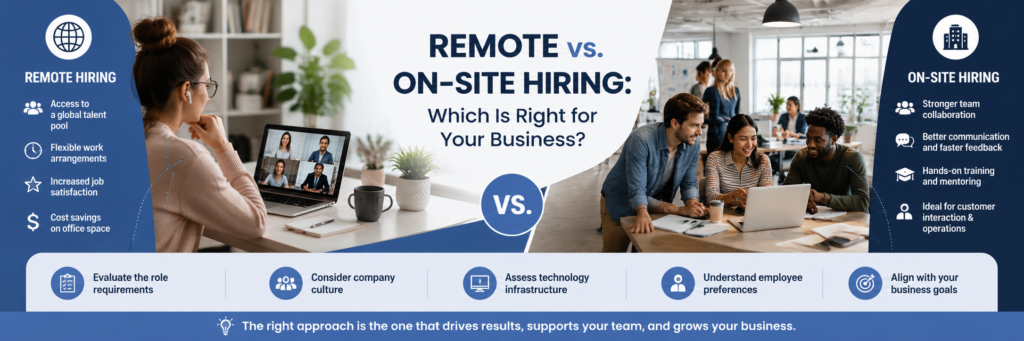
The modern workplace has evolved significantly, giving employers more flexibility than ever before. One of the most important hiring decisions companies face is whether a role should be remote, on-site, or a combination of both. Each approach offers unique advantages depending on business objectives and
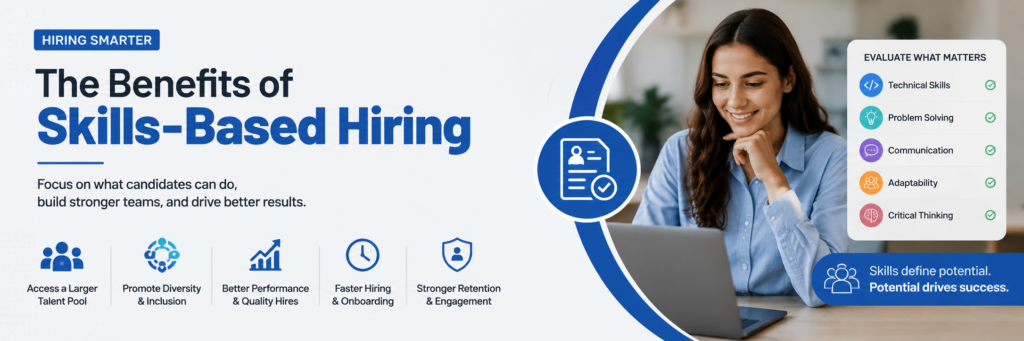
Traditional hiring often focuses heavily on degrees, job titles, or years of experience. While these qualifications remain valuable, many organizations are shifting toward skills-based hiring—a recruitment approach that prioritizes a candidate’s abilities and potential over traditional credentials. Skills-based hiring allows employers to access a larger
In today’s competitive job market, talented professionals have more career choices than ever before. A strong employer brand helps your company stand out by showcasing what makes it a great place to work. It’s not just about attracting candidates—it’s about building trust, improving employee retention,
Employee turnover is one of the most significant challenges businesses face. Replacing employees requires time, money, and resources, making retention just as important as recruitment. Organizations that focus on employee satisfaction often experience higher productivity, stronger teamwork, and lower hiring costs. The first step toward
An interview is more than a conversation—it is an opportunity to determine whether a candidate has the skills, experience, and attitude needed to succeed within your organization. A structured interview process helps employers make fair, consistent, and informed hiring decisions. Preparation is the foundation of